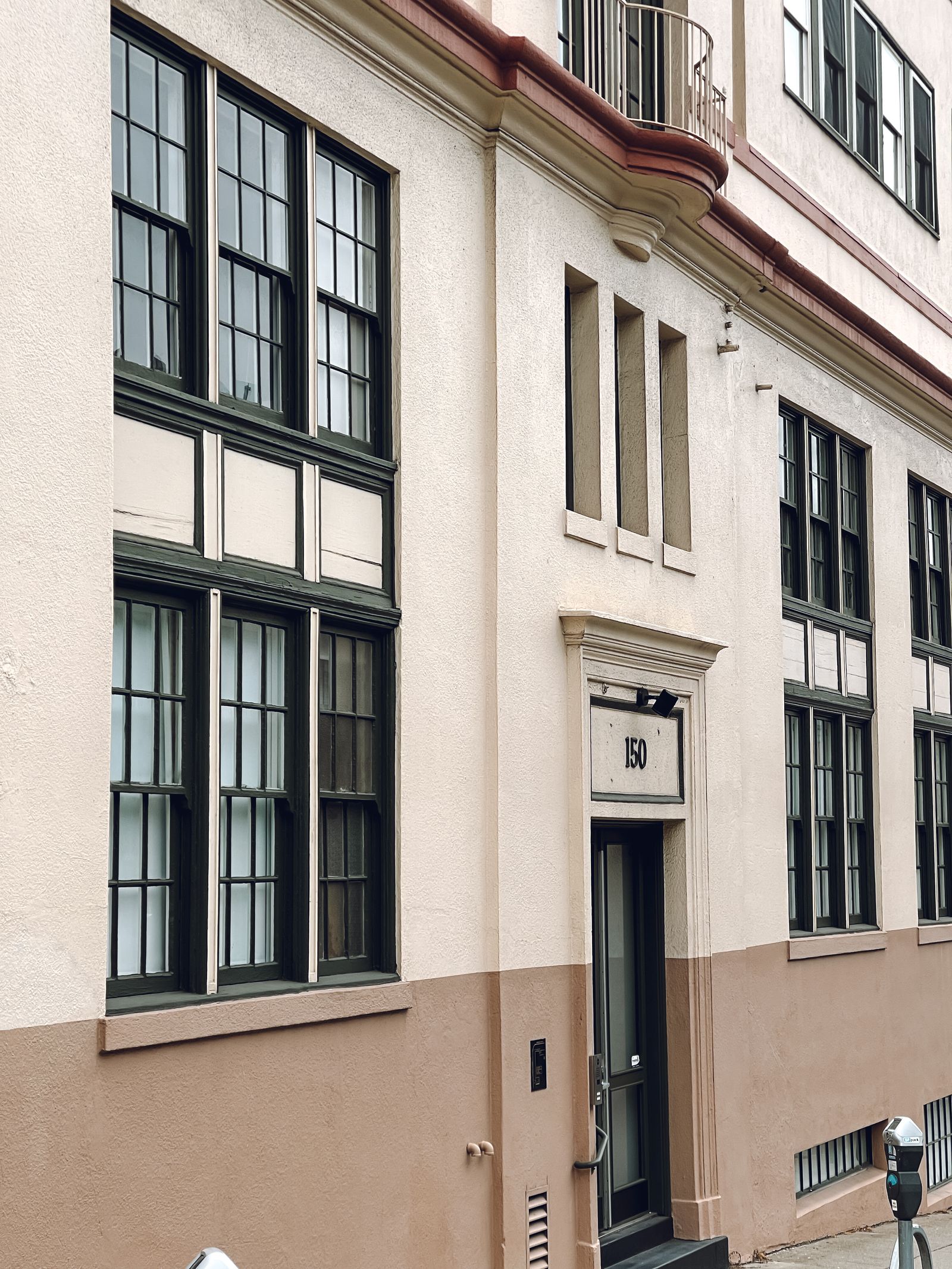
What soft washing is meant to do
Soft washing is a low-impact approach that combines a compatible cleaning solution, dwell time, controlled application, and an appropriate rinse. On suitable commercial surfaces, it can address organic growth, pollen, mildew-like staining, bird residue, and some atmospheric film without relying on high impact alone. The result depends on the material, chemistry, concentration, temperature, dwell time, rinse, weather, and protection. A soft wash is not simply a pressure washer turned down and should not be presented as a universal answer.
For Augusta offices, hotels, healthcare buildings, retail facades, and industrial properties, the method should be broken into zones. Brick and mortar, painted block, concrete, metal panels, glass, EIFS, stucco, coatings, canopies, and signage may respond differently. A test area can reveal whether the visible deposit is likely organic, mineral, oxidized, embedded, or tied to water movement. If the property needs restoration, glass polishing, paint repair, sealant replacement, or masonry work, those tasks should be separated from routine washing.
Soft washing can be a practical choice for a broad facade when the crew can protect landscaping, air intakes, vehicles, people, neighboring property, and water paths. The proposal should still name limitations. A cleaner-looking wall is not proof that a failed gutter, leaking joint, or damaged coating has been corrected.
- Best suited to compatible surfaces and organic or atmospheric deposits after testing.
- Requires protection, dwell-time control, rinsing, and attention to weather and drainage.
- Does not replace masonry repair, coating work, glass restoration, or leak diagnosis.
- Should be scoped elevation by elevation when a building has mixed materials.
Where controlled pressure can help and where it can hurt
Controlled pressure may be useful on selected durable concrete, hardscape, loading areas, and other surfaces that can tolerate the chosen pressure, distance, nozzle, flow, and technique. It can help with certain bonded deposits that a chemical wash does not remove. But a machine setting is not a material assessment. High impact can damage soft masonry, erode mortar, force water behind joints, lift coatings, mark stucco, scar EIFS, disturb sealants, or create a visually uneven result. It can also drive water into doors, vents, electrical components, and wall assemblies.
Augusta's historic and mixed-age properties make this distinction important. Downtown and Summerville buildings may combine older brick, repointed joints, painted trim, and newer storefronts. A manufacturing or warehouse site may have durable slabs alongside painted metal, insulated panels, louvers, and electrical equipment. A hospital or hotel can have hard sidewalks near sensitive entries and glazing. Pressure may fit one zone and be wrong for the next one.
The right comparison asks what pressure is expected to remove, what material can tolerate it, how runoff will be managed, and what detail is required afterward. If a proposal describes only a PSI number and not the substrate, protection, test area, access, and closeout, the comparison is incomplete.
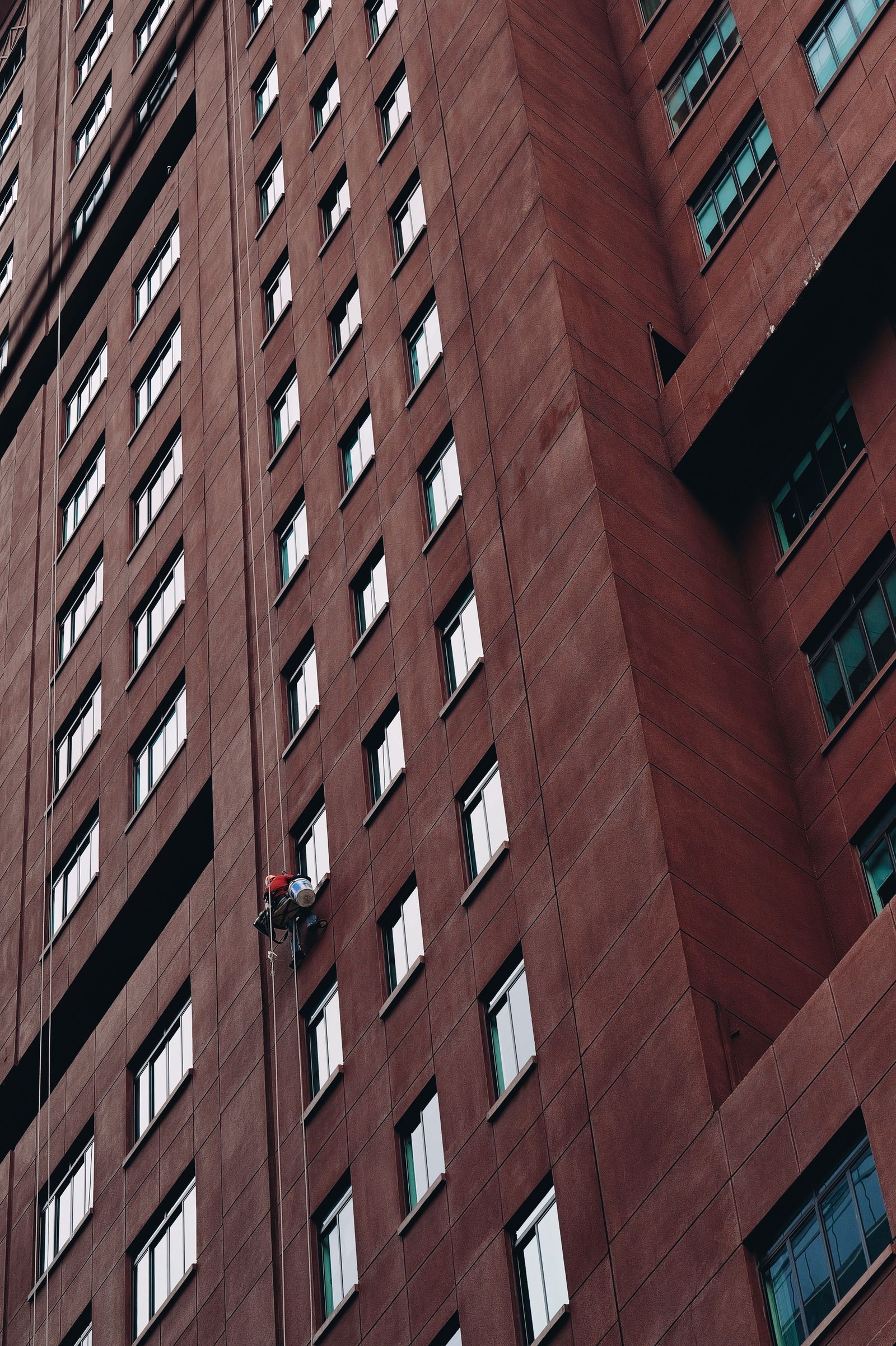
Use Augusta's local conditions to choose the work window
Heat and humidity affect dwell time, surface temperature, evaporation, worker exposure, and drying. Pollen can settle on horizontal surfaces and return quickly after a cleaning. Thunderstorms change wind, visibility, runoff, and aerial safety. Shade around trees, recessed entries, and north-facing walls can keep surfaces wet and encourage repeat staining. Traffic film near Washington Road, Gordon Highway, River Watch Parkway, and retail approaches can require a different scope from an upper wall with organic growth.
A schedule should include forecast monitoring, wind and lightning limits, rain probability, public activity, access equipment, hose routes, and a decision maker authorized to pause work. Direct sun may make one elevation dry too quickly while another remains damp. A storm can move water toward a curb inlet, swale, detention feature, garage ramp, or neighboring entry. Good planning makes those conditions part of the method selection rather than a surprise on site.
Repeat staining deserves an investigation. Roof runoff, blocked gutters, downspouts, irrigation, condensation, failed sealant, or a low wall can keep a section wet. A provider can identify visible patterns and recommend that the owner investigate the source. Neither soft washing nor pressure washing should be sold as a permanent fix for an active water-management problem.
Compare access: drone, lift, pole, and hand work
Drone assistance may help on suitable broad upper elevations when the site has clear stand-off distance, controlled launch and recovery space, visual control, manageable wind, public separation, and an acceptable water path. It can reduce some lift repositioning for compatible parapets, ledges, or tall walls. It does not contact-clean glass, remove bonded mineral deposits, brush ornament, inspect concealed defects, or make an unsuitable chemical method appropriate. Aerial work is one access option, not the definition of the service.
Lifts may provide controlled access for detail work but require ground bearing, setup space, traffic controls, and a suitable work window. Water-fed poles can reach selected glass or facade zones from the ground, while hand work may be the best choice around doors, signs, canopies, historic details, and sensitive equipment. A hybrid sequence often produces a more predictable result than forcing one method across the whole building.
Augusta properties may also have utility lines, mature trees, hospital traffic, active roads, aircraft activity, rooftop equipment, and crowded event or retail areas. Commercial drone operations remain subject to applicable FAA requirements and any required authorizations. Property permission does not replace aviation rules. The proposal should explain why each access method fits the actual elevation and how people, vehicles, equipment, and runoff will be controlled.
Protect operations and manage water before the first application
A method comparison is incomplete without an operating plan. Identify patient and guest routes, accessible paths, employee entrances, loading docks, production areas, air intakes, landscaping, vehicles, signs, cameras, electrical equipment, and neighboring property. Medical, hospitality, manufacturing, office, and retail customers may all need different hours, barriers, spotters, security coordination, and phased elevations. The work should have one person authorized to stop it if a public route, weather condition, or water path changes.
Augusta parking lots and campuses can drain toward storm inlets, swales, detention areas, garages, pavement joints, or low points beside a neighboring business. Locate these features before hoses and barriers are staged. Protect plants and surfaces, control overspray, keep emergency routes open, and establish where rinse water can safely go under the property's requirements. The exact response depends on the product, volume, surface, and site conditions; a drain should not be treated as automatic permission for treated discharge.
Closeout should document completed elevations, remaining deposits, deferred areas, weather interruptions, access limits, observed damage, and conditions needing another trade. That record helps a facilities team decide whether the next visit needs soft washing, controlled pressure, contact detail, restoration, or no immediate work.
- Identify public routes, sensitive equipment, landscaping, utilities, vehicles, and drainage before staging.
- Set barriers, hose paths, spotters, weather triggers, and the pause authority before application.
- Separate the cleaning method from repairs, restoration, coatings, sealants, and leak investigation.
- Record what was cleaned, what remains, and why any area was deferred.
Ask for an Augusta-specific method comparison
When requesting a quote, send the address, photos of each elevation, close-ups of the deposit, materials, approximate height, priority areas, desired finish, prior cleaning history, water access, drainage concerns, and preferred work window. Mention whether the property is medical, hospitality, industrial, manufacturing, office, retail, mixed-use, or occupied by tenants. Include restrictions involving patients, guests, employees, deliveries, production, parking, events, and pedestrians.
Ask the provider to identify which zones fit soft washing, which fit controlled pressure, where drone assistance may help, and where a pole, lift, or hand method is necessary. The proposal should connect each method to the substrate and desired finish, include testing, protection, weather and aviation assumptions, water management, access, exclusions, and closeout. Drone Building Cleaners can review an Augusta property and build a practical sequence around the way it operates. Call +1 239-351-2897, email contact@dronebuildingcleaners.com, or use the quote form to get started.